

The Operating Edge That Wins Stadium Concessions
Why the operating model, not the menu, decides whether a local brand wins at peak volume, and where the right partner makes the difference.
A stand that comfortably serves three hundred guests on a good Saturday can face several thousand in the ninety minutes around first pitch. That is the test every local brand walks into at stadium concessions.
A local brand lifts the venue when it holds up under that load. It costs the venue when it does not. The way to add a local name without risking game day is to bring it in through an operating partner that runs at institutional scale, so the food, the line, and the crew are handled by a team the venue can hold accountable.
An operating partner is the team that invests in a brand and runs its staffing, supply, compliance, and reporting, so the brand performs at institutional scale while the founder keeps ownership.
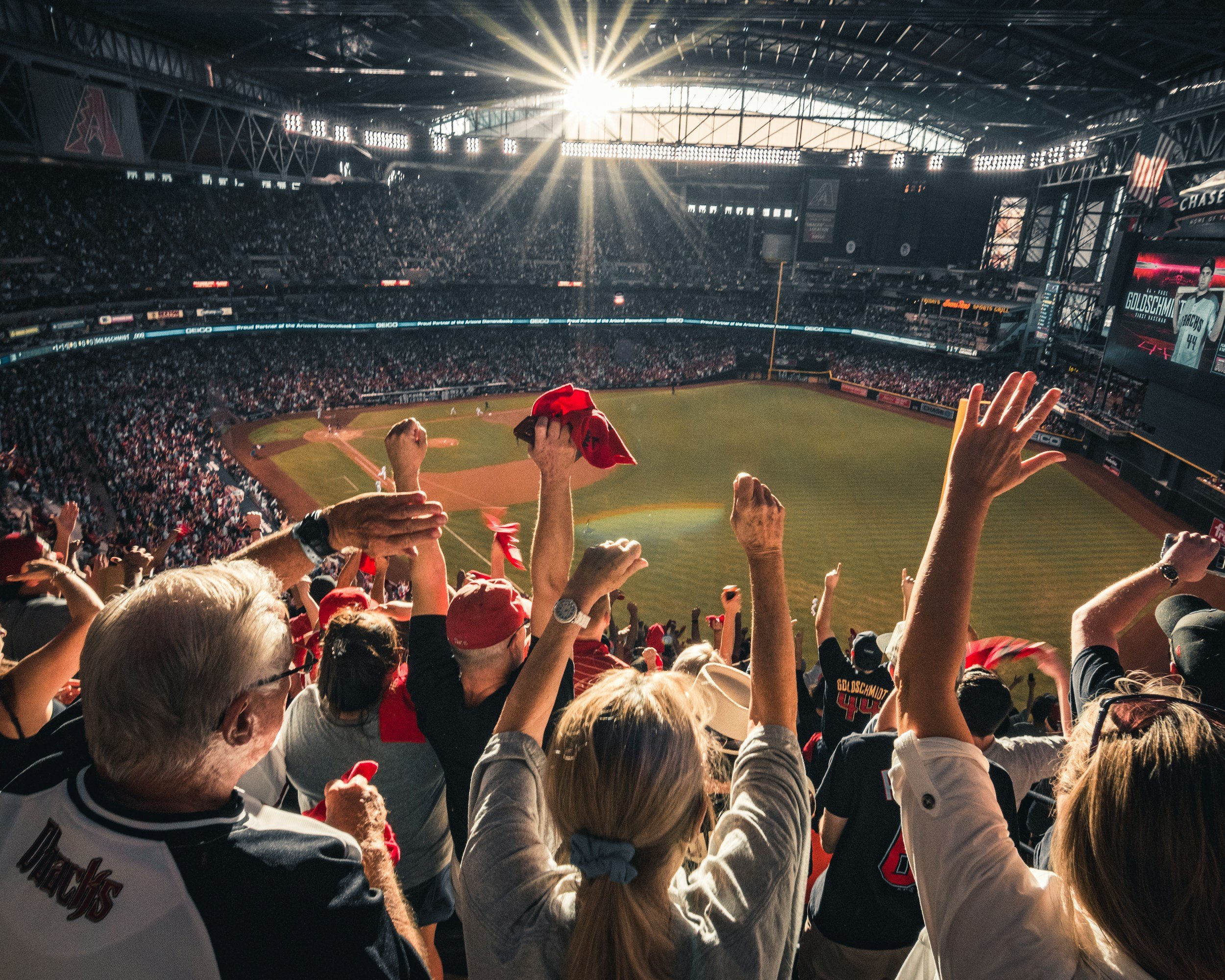
A full concourse is the real test. A local brand earns the crowd only when the line keeps moving.
KEY TAKEAWAYS
Local brands lift a venue only when they hold up at peak volume.
The risk is operational, not creative. Lines, stockouts, and staffing gaps break the experience, and the venue owns the complaint.
An operating partner runs stadium concessions at institutional scale, so the venue gets one accountable team instead of another vendor to manage.
The game-day math on stadium concessions
A local name earns attention. It tells the crowd the venue knows its city.
The concourse does not grade the brand on its story. It grades the wait.
Peak volume is the compressed window when most of an event's demand arrives at once: the rush before first pitch, halftime, the seventh-inning surge. A concessions operation does not fail at the average moment. It fails at the peak.
When a small operator meets a full house, stadium concessions fail in predictable ways. Too few trained hands. Slow ticket times. Product gone by the third inning. Payment and pickup backed up at the window.
These challenges are not hypothetical. Trade coverage of a 2025 stadium concessions overhaul documented long lines, stockouts, and cashless-payment breakdowns in the opening game, even with a national operator in place.
Atlanta has no shortage of brands the crowd already loves. The ones that earn a place on the concourse are the ones whose operations hold when the gates open.
The brand gets credit for the idea. The venue owns the complaint.
“Institutional buyers purchase predictability.”
What venue operators actually need from a partner
The concept is the easy part. The operating model is the hard part. Procurement is judged by what goes wrong, not by what goes right.
Venue management can carry its own professional standards and certifications, and a food and beverage partner has to meet them. Venue teams need four things from any partner:
Throughput that holds when the concourse is full.
A trained crew with real depth, not a founder and two friends.
Clean reporting the venue can read.
References from rooms the same size as yours.
One accountable operator beats a fragile vendor you have to manage. When one team owns throughput, staffing, supply, and service, the venue gets a single point of accountability instead of a second job. That is the standard for buyers who own game day..
A local vendor alone vs. an operating partner behind them
The difference shows up long before game day. It shows up in the paperwork, the staffing plan, and who answers when something breaks. Throughput is designed, not improvised.
| A local vendor alone | With an operating partner | |
|---|---|---|
| Throughput at peak | Tested at market-stand volume. Peak load is a first. | Documented ticket times at institutional volume before launch. |
| Staffing | The founder and a small crew. One call-out changes the night. | Trained crew with depth and a coverage plan for a sold-out house. |
| Compliance | Insurance and certifications assembled on request, if they exist. | Certificates, food-safety records, and vendor paperwork ready before the ask. |
| Supply | Restock happens when someone can make the run. | Par levels and a written stockout plan for the busiest window. |
| Accountability | The venue manages the vendor. | One operating contact, defined service levels, and reporting the venue can read. |
| Who carries the risk | The venue absorbs it. | The partner carries it. |
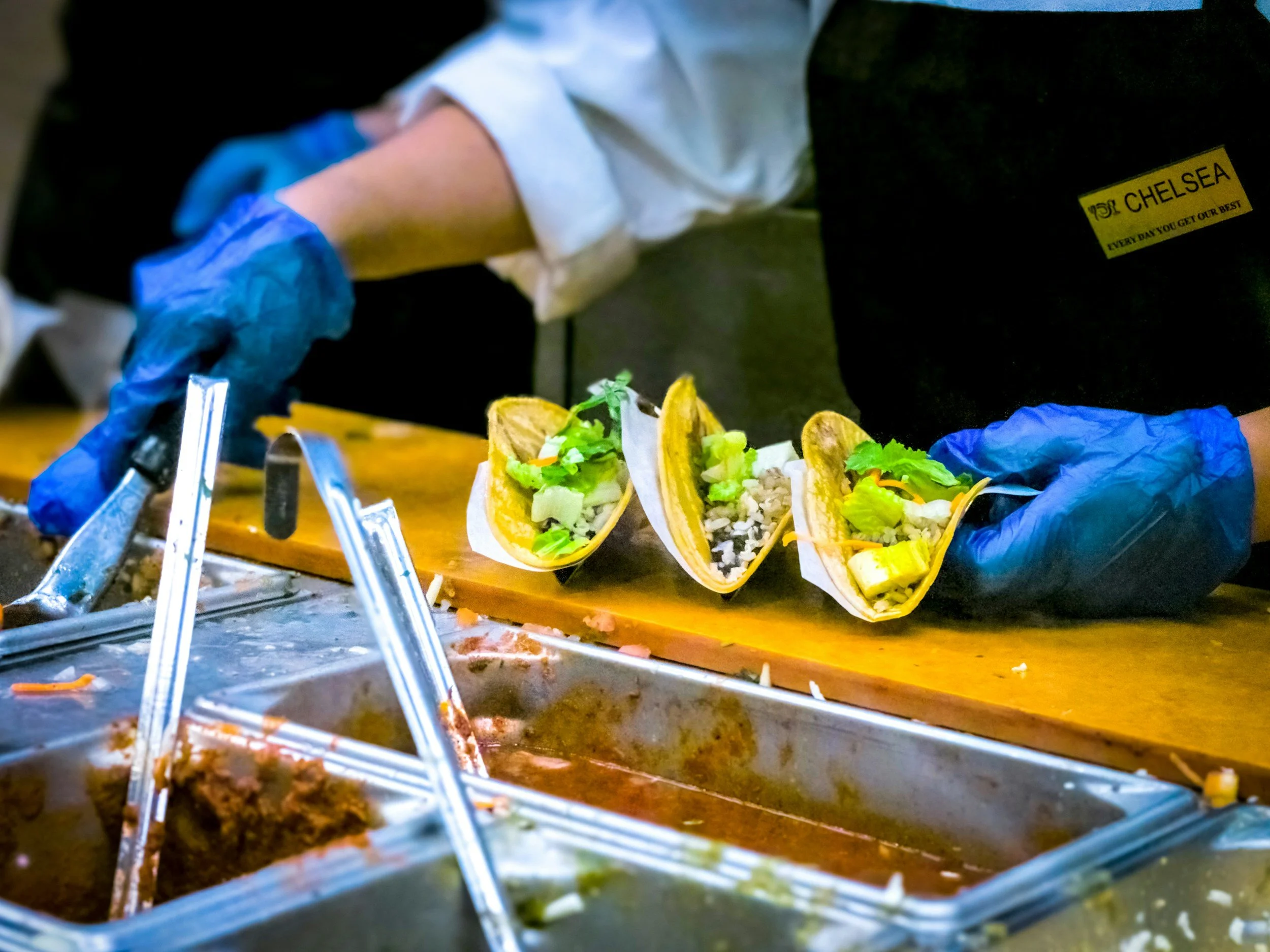
Throughput is a staffing and systems problem before it is a menu problem.
When a local brand is ready for your concessions program
The paperwork predicts the performance. A partner who cannot produce documentation on request will not produce consistency at volume.
Use this before any launch. A brand that cannot answer these needs better support for peak volume, no matter how strong the following.
| What to require | What to ask for |
|---|---|
| Peak-volume throughput | Documented ticket times and covers at capacity comparable to your building. |
| Staffing model | Crew size, training, and the coverage plan for a sold-out event, not a skeleton team. |
| Supply and inventory | Par levels, restock cadence, and a written stockout plan for the busiest window. |
| Compliance and insurance | Current certificates of insurance, food-safety certification, and any account-specific approvals. |
| Accountability | A single operating contact, defined service levels, and a reporting cadence you can read. |
| Track record | References from venues your size, not a consumer following. |
See what an operating partner handles that a single vendor does not, from throughput and staffing to compliance and reporting.
Operational drag is the real cost
Operational drag is the management load a vendor adds when their operation cannot carry itself: the staffing gap someone chases, the stockout someone covers, the wait at the window someone answers for.
Every fragile vendor becomes a second job for your team. The cost never appears on the invoice. It appears on your payroll.
Fans keep score too. In a 2025 Mashgin survey of MLB fans, 53 percent said they wait 15 minutes or more at stadium concessions, and 77 percent said they would buy more if the wait were shorter. Speed is not a nicety. It is revenue.
Reliability is worth more than novelty on game day. The partner that removes work is worth more than the one that adds it. The right model absorbs the operating load, so your team runs the building and not the vendor.
What an operating partner changes
Institutional readiness is the combination of staffing, documentation, supply, and reporting that lets a brand perform consistently at peak volume and pass a buyer's review the first time.

One accountable operator for throughput, staffing, supply, and service.
An operating partner builds that readiness into the brand before it reaches your building. The operating system reads venue, season, audience, and price as one system. The crew is trained before the gates open. The paperwork clears procurement without a second pass.
That is how Atlanta-born brands end up running in rooms regional brands rarely reach alone. How Silverback structures that work lives in our approach.
The venue gets one accountable operator for throughput, staffing, supply, and service. The line moves. The food works. The contract renews.
Local differentiation and institutional reliability are not a trade. With the right operating partner, a venue gets both.
FAQ
-
Through staffing depth, tested ticket times, and an operating system built for peak load at stadium concessions. A local following does not create throughput. A trained crew and a real supply plan do.
-
Ask for documented throughput at comparable capacity, the staffing and coverage plan for a sold-out event, the restock and stockout plan, current compliance and insurance records, and references from venues your size.
-
It should not. With an operating partner, one team owns throughput, staffing, supply, and service, so the venue gets a single point of accountability instead of another vendor to manage.
-
A single vendor sells a product and leaves the operating risk with you. An operating partner runs the brand at institutional scale and carries the accountability for how it performs on game day.
-
Yes. Institutional readiness is the standard, not the exception. A credible partner arrives with current food-safety certification such as ServSafe, insurance, and the documentation your review process requires.
What this means for your venue
A local brand is only as strong as the operating model behind it. Get that right, and the crowd remembers the food, not the wait. Get it wrong, and the venue wears the complaint.
If you are weighing a local brand for your building, weigh the operating partner behind it first. That is where game day is won or lost.
Talk to Silverback about your venue. We bring the discipline, the crew, and the accountability game day demands.
