

Campus Dining: Local Brands at Institutional Standards
Students ask for the food they love off campus. Procurement requires the standard the institution demands. The operating model decides whether a program delivers both.
The dining survey comes back with the same message. Students want the food they eat off campus, on campus. The brands they line up for on Saturday are blocks away from where they eat on Tuesday.
A campus can close that gap without taking on operational risk. The way local brands come to campus dining at institutional standards is through an operating partner that carries volume, compliance, and consistency, so the dining team adds what students want without adding what procurement fears.
An operating partner is the team that invests in a brand and runs its staffing, supply, compliance, and reporting, so the brand performs at institutional scale while the founder keeps ownership.
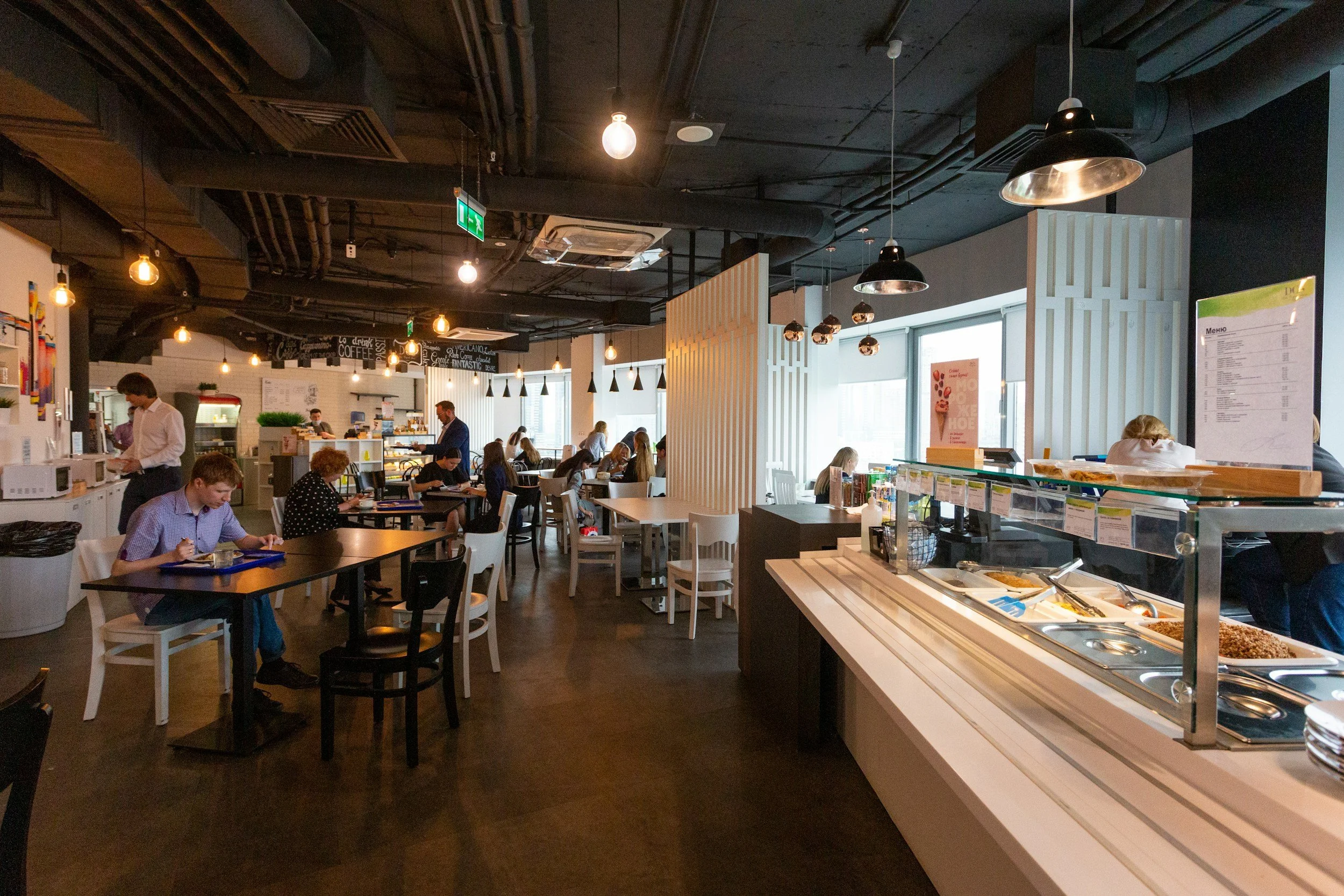
The dining hall is a daily referendum. Students vote three times a day.
KEY TAKEAWAYS
Students set the demand for local brands. Operations set the ceiling.
The risk in adding local concepts is operational: volume, compliance, and consistency across the academic year.
An operating partner brings local brands to campus dining at institutional standards, without adding management burden.
What students ask for and what procurement requires
Both sides of campus dining are telling the truth. Students want variety, recognition, and food with a story. Procurement wants insurance, compliance, and a vendor who holds up in week fifteen the way they did in week one.The demand side is well documented. In FoodService Director's coverage of the fall 2025 campus forecast, 24 percent of student diners said they want more on-trend menu items, and the trend lists read like the off-campus food scene. NACUFS, the professional body for collegiate dining, exists because delivering that experience at institutional standards is a discipline of its own. Student demand is a signal. Operations decide whether it becomes a program.
“Students set the demand. Operations set the ceiling.”
Campus volume is its own test
A peak service window on campus is the compressed stretch when demand arrives all at once: the lunch rush between classes, move-in weekend, game day on a campus that hosts one.
A campus does not test a vendor once. It tests them every day of the semester. The concept that delights at a weekend market faces a different exam serving the same corridor of students five days a week, at the same standard, through finals.
That is why strong local concepts stall at the edge of campus. The demand is real. The operating model underneath it was built for a different volume.
A local concept alone vs. an operating partner behind it
The difference is not the food. It is everything underneath.
| A local concept alone | With an operating partner | |
|---|---|---|
| Volume | Proven at a weekend market. | Documented throughput at dining-program volume. |
| Staffing | A small crew stretched across the week. | Trained coverage across the academic calendar. |
| Compliance | Paperwork assembled on request. | Insurance, food-safety records, and vendor forms ready for procurement. |
| Consistency | Strong weeks and short weeks. | The same product in week one and week fifteen. |
| Accountability | The dining team manages the vendor. | One operating contact with defined service levels. |
| Who carries the risk | The institution absorbs it. | The partner carries it. |

The same product in week one and week fifteen. That is the standard.
Before a local brand joins your dining program
Use this before any launch. The concept can be beloved and still not be ready. The screen protects the brand as much as the institution.
| What to require | What to ask for |
|---|---|
| Peak-window throughput | Documented service counts at volume comparable to your program. |
| Staffing model | A coverage plan for the full semester, not the opening week. |
| Compliance and insurance | Current food-safety certification, insurance, and completed vendor paperwork. |
| Supply and inventory | Par levels and a restock plan built around your rush periods. |
| Accountability | A single operating contact, defined service levels, and reporting. |
| Track record | References from comparable institutions, not a consumer following. |
See what it takes to bring the brands students already love to your campus, at the standard your institution requires.
Start Conversation →
The middle ground is operational
A campus does not have to choose between institutional reliability and the local brands students recognize. The middle ground exists. It is operational, not contractual: local concepts backed by the infrastructure that lets them pass procurement and hold the standard.
Atlanta's campuses sit inside one of the country's richest local food scenes. The brands students love are often blocks from the gates. What has been missing is not demand or supply. It is the operating layer between them.
Hospitals run the same evaluation, and venues run it on game day. The institutions differ but the math and needed discipline do not.
What an operating partner changes for campus dining
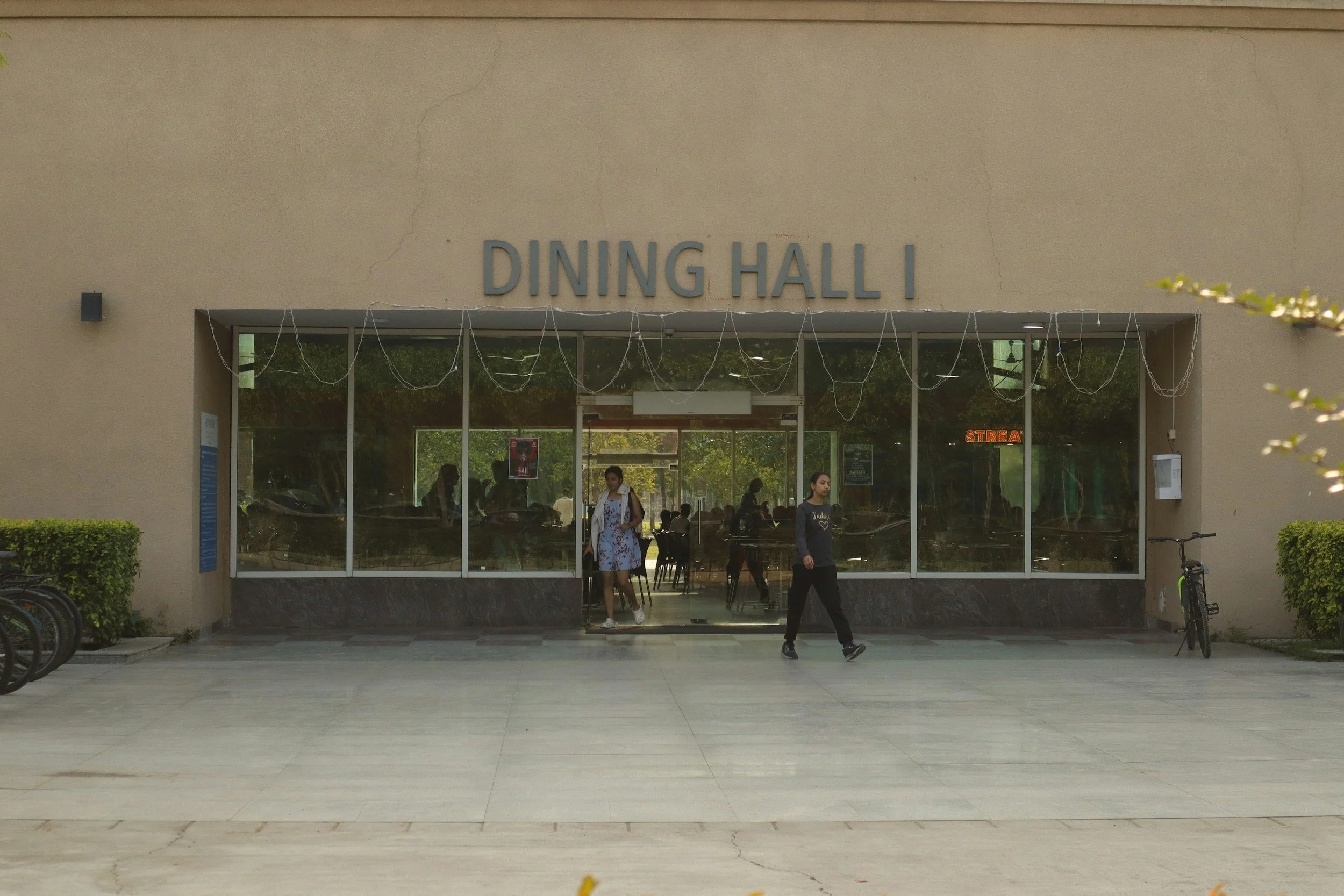
The operating layer between the local food scene and the dining program.
Institutional readiness on campus is the combination of staffing, documentation, supply, and reporting that lets a brand serve a dining program consistently and pass procurement the first time.
An operating partner builds that readiness into the brand before it reaches the quad. The crew is trained for semester rhythm. The paperwork clears review without a second pass. The product students lined up for off campus is the same product in the dining program, week after week.
How Silverback structures that work lives in our approach.
The institution gets a program students talk about and procurement trusts. The dining team gets one accountable partner instead of another vendor to manage.
A campus tradition is a local brand that never broke.
-
Through an operating partner that carries volume, compliance, and consistency for the brand. The institution adds what students want while the partner carries staffing, supply, documentation, and reporting at institutional standards.
-
Current insurance, food-safety certification, completed vendor paperwork, documented capacity at comparable volume, references from comparable institutions, and a clear point of accountability with defined service levels.
-
Documented throughput at dining-program volume, a staffing plan that covers the full academic calendar, par levels built around rush periods, and reporting the dining team can read. A weekend following is demand. Readiness is operational.
-
No. Local brands typically join through retail locations, catering, campus events, and wholesale alongside the existing program. The right structure depends on the institution, which is a conversation, not a template.
-
A management company runs the whole dining program. An operating partner runs specific brands at institutional standard, backed by food-safety certification such as ServSafe, and carries accountability for how those brands perform inside your program.
What this means for your campus
Student demand for local brands is not a trend to wait out. It is a signal about what the campus experience should feel like. The institutions that answer it well will not be the ones that compromised on standards. They will be the ones that found the operating model that made the standard portable.
If you are weighing local concepts for your program, weigh the operating layer behind them first. That is where the program is won or lost.
Talk to Silverback about your campus. We bring the brands students recognize, at the standard your institution requires.
